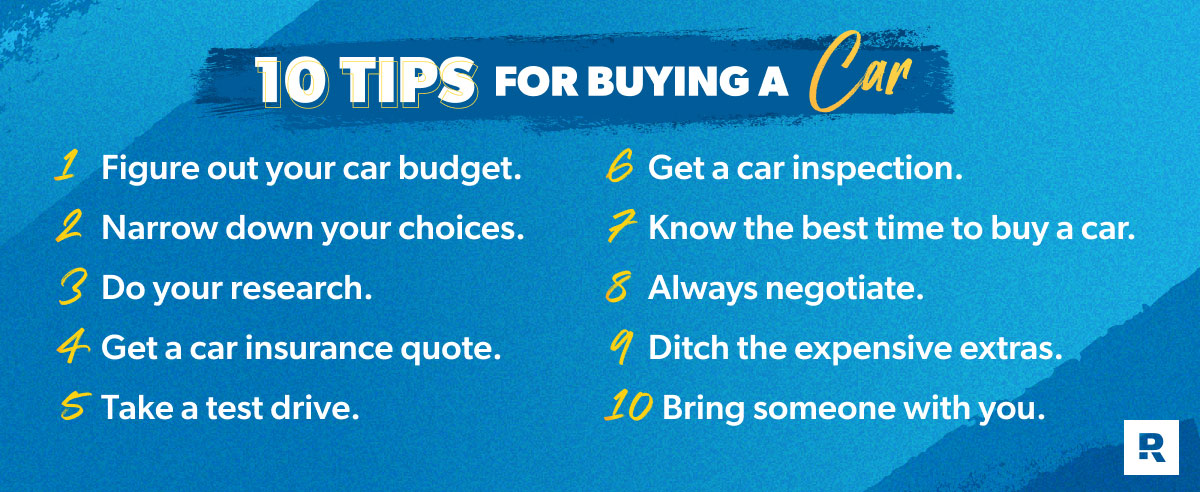
Top 10 Essential Tips for Stress-Free Car Buying
Buying a car can be a daunting experience, but with the right approach, it can be stress-free. Here are the top 10 essential tips you should consider:
- Research extensively: Familiarize yourself with the models you are interested in, including their features, pricing, and reliability ratings.
- Set a budget: Determine how much you can afford, including ongoing costs like insurance and maintenance.
- Check your credit score: A good credit score can help you secure better financing options.
- Shop around for loans: Compare interest rates and terms from different lenders to find the most favorable options.
- Test drive multiple vehicles: Experience how different cars handle and feel before making a decision.
Once you've gathered all the necessary information, keep these last five tips in mind:
- Don’t rush your decision: Take your time to weigh your options and make an informed choice.
- Understand the total cost of ownership: Consider factors such as fuel efficiency, maintenance costs, and depreciation.
- Negotiate confidently: Always be prepared to negotiate the price and don’t hesitate to walk away if the deal doesn’t meet your expectations.
- Inspect the vehicle: Whether new or used, ensure that the car has been thoroughly inspected for any potential issues.
- Be mindful of dealer add-ons: Assess whether the extra features or services are necessary for your needs.
By following these tips, you can navigate the car buying process with ease and confidence.
What to Expect When Buying a Car: A Step-by-Step Guide
Buying a car can be an exciting yet overwhelming experience, especially for first-time buyers. To help you navigate this process, it's essential to understand what to expect when buying a car. Start by determining your budget, which includes not only the purchase price but also insurance, taxes, and maintenance costs. Next, research the types of cars that fit your needs, whether it's a sedan for daily commuting, an SUV for family outings, or a truck for heavy-duty tasks. Once you've narrowed down your options, create a list of desired features and specifications.
After solidifying your preferences, it's time to visit dealerships or browse online marketplaces. When you find a potential vehicle, conduct a thorough inspection and request a test drive to evaluate its performance. Don’t hesitate to ask the seller questions about the car's history, warranties, and financing options. Finally, when it comes time to negotiate, remember to stay within your budget and be prepared to walk away if the deal doesn't feel right. Following these steps ensures that you are well-prepared and informed about what to expect when buying a car, ultimately leading to a more satisfying purchase.
Common Mistakes to Avoid When Purchasing a Vehicle
When purchasing a vehicle, one of the common mistakes to avoid is failing to do proper research. Many buyers rush into a purchase without understanding the market value of the vehicle they are considering. It's crucial to compare prices and seek out reviews to ensure you're making an informed decision. Additionally, consider test driving multiple options to find a vehicle that truly meets your needs and preferences.
Another mistake is neglecting to consider the total cost of ownership. Buyers often focus solely on the purchase price, but it's essential to account for insurance, maintenance, fuel efficiency, and potential repairs. To help visualize these costs, create a comprehensive list of all expenses associated with the vehicle. By doing this, you will avoid being caught off guard by unexpected financial responsibilities down the road.